
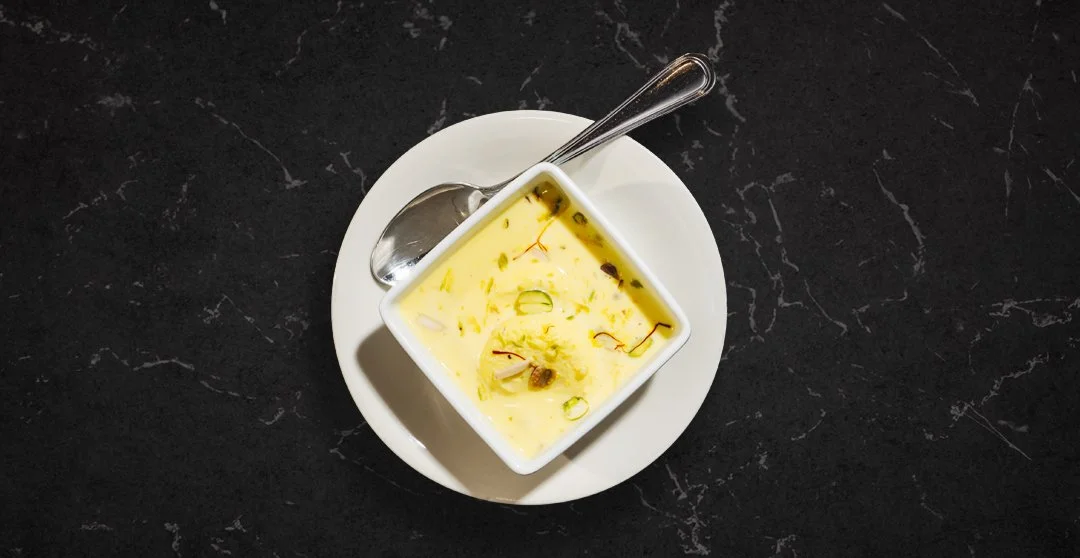
Indian desserts are more than a sweet finish to a meal. They carry regional traditions, family memories, and flavors associated with celebrations. Among the many Indian desserts in Massachusetts that food lovers can explore, rasmalai stands out for its delicate texture and creamy milk flavor. If you are searching for Rasmalai in Massachusetts, understanding its ingredients, preparation, and cultural background can make every spoonful more enjoyable.
Rasmalai is especially appealing to people who enjoy desserts that are creamy rather than crunchy, heavily fried, or soaked in thick sugar syrup. Traditionally served chilled, this classic Indian sweet offers a refreshing way to finish a flavorful meal.
Table of Contents
- What Is Rasmalai?
- What Ingredients Give Rasmalai Its Signature Flavor?
- What Does Rasmalai Taste Like, and Is It Served Hot or Cold?
- How Is Rasmalai Different From Rasgulla?
- Why Is Rasmalai a Popular Indian Celebration Dessert?
- Where Can You Find Rasmalai in Massachusetts?
- How Should First-Time Diners Enjoy Rasmalai?
- Frequently Asked Questions
What Is Rasmalai?
Rasmalai is a traditional Indian milk-based dessert made with soft chhena patties soaked in sweetened, thickened milk. The milk is often flavored with cardamom or saffron and may be garnished with chopped pistachios or almonds. Usually served chilled, it combines a tender, spongy texture with a creamy, gently sweet sauce.
The name is commonly understood through two parts: “ras,” referring to juice or syrup, and “malai,” meaning cream. The dessert is strongly associated with Bengali sweet-making traditions, although it is now enjoyed throughout India and at Indian sweet shops and restaurants worldwide.
The patties are generally made from chhena, a fresh cheese produced by curdling milk with an acidic ingredient such as lemon juice. After the curds are drained and worked into a smooth mixture, they are shaped and cooked before being placed in flavored milk.
This preparation gives rasmalai its recognizable texture and distinguishes it from many other traditional Indian sweets.
What Ingredients Give Rasmalai Its Signature Flavor?
The appeal of rasmalai comes from a combination of simple ingredients that complement one another.
- Chhena: Fresh cottage cheese gives the patties their delicate, slightly spongy texture.
- Milk: Thickened milk creates the creamy base surrounding each patty.
- Sugar: Adds sweetness without making the dessert as syrup-heavy as some other Indian sweets.
- Cardamom: Contributes a warm, floral aroma.
- Saffron: Sometimes added for its subtle fragrance and golden color.
- Pistachios and almonds: Provide a mild nutty flavor and a little textural contrast.
Recipes differ between sweet makers. Some versions have a thicker, richer milk sauce, while others are lighter and less sweet.
The balance is important. The chhena patties should remain soft enough to absorb the flavored milk while retaining their shape. This combination of creamy milk and delicate cheese makes rasmalai one of the distinctive milk-based Indian desserts.
What Does Rasmalai Taste Like, and Is It Served Hot or Cold?
Rasmalai tastes creamy, milky, and gently sweet, with soft cheese patties that yield easily to a spoon. Cardamom or saffron may add a delicate fragrance, while chopped nuts provide a light crunch. It is most served chilled, allowing the thickened milk and tender patties to create a refreshing dessert.
Unlike crunchy snacks or dense fudge-style mithai, rasmalai is meant to be enjoyed with a spoon. Each bite brings together the soft patty and the flavored milk surrounding it.
Its sweetness is generally more mellow than desserts that are completely soaked in sugar syrup.
Serving temperature also influences the experience. Chilling gives the milk a refreshing quality and helps the dessert feel balanced rather than overly rich. If you are ordering it after a spicy or heavily seasoned Indian meal, its cool, creamy texture offers a pleasant contrast.
How Is Rasmalai Different From Rasgulla?
Rasmalai and rasgulla share an important ingredient: chhena. However, they are prepared and served differently.
Rasgulla consists of soft cheese balls cooked in light sugar syrup, while rasmalai uses chhena patties served in sweetened, thickened milk. Rasmalai is therefore creamier, while rasgulla has a more noticeable syrup-based sweetness.
The difference is easiest to notice in their presentation. Rasgulla is usually served in syrup, whereas rasmalai arrives with a milk-based sauce that is an essential part of the dessert.
Both are associated with Bengali sweet-making traditions, but they offer different textures and levels of richness.
If you enjoy rasgulla but want something creamier, rasmalai is a natural dessert to try next.
Why Is Rasmalai a Popular Indian Celebration Dessert?
Indian sweets are closely connected with festivals, weddings, family visits, and special occasions. Rasmalai is often included in celebration menus because it feels special without being as dense as some fried or heavily syrup-soaked sweets.
Its pale, creamy appearance, fragrant milk, and delicate patties also make it suitable for serving in individual bowls at family gatherings.
Rasmalai belongs to a broader tradition of traditional Indian desserts made with milk. Other examples include:
- Kheer: A rice-based pudding slowly cooked with milk and sugar.
- Rabri: Thickened milk prepared by simmering and collecting layers of cream.
- Peda: A dense milk-based sweet shaped into small portions.
- Kalakand: A soft, grainy milk sweet with a delicate texture.
Each dessert uses milk differently. Rasmalai brings fresh cheese and sweetened milk together, creating a combination that is distinct from these other Indian sweets.
Where Can You Find Rasmalai in Massachusetts?
For people searching for Indian sweets near me, Indian dessert in Massachusetts, or authentic rasmalai, A2B Indian Veg in Northborough is a local option to consider.
A2B’s published dessert menu lists Rasamalai, describing it as a rich Bengali dessert made from spongy cottage cheese and sweetened milk. This makes it a relevant choice for diners interested in exploring traditional Indian sweets alongside vegetarian Indian cuisine.
A2B is located at:
A2B Indian Veg
10004 Shops Way
Northborough, MA 01532
The dessert menu also features other Indian sweet options, including:
- Gulab Jamun
- Pineapple Rava Kesari
- Kulfi
- Royal Falooda
These choices allow diners to compare different dessert styles, from milk-based sweets and semolina preparations to frozen desserts and syrup-soaked treats.
You can explore the A2B menu to check the dessert selection and contact the restaurant to confirm current availability, as menu offerings can change.
For diners traveling from nearby communities such as Westborough, Shrewsbury, or Marlborough, the A2B location page provide additional restaurant information.
How Should First-Time Diners Enjoy Rasmalai?
If you have never tried rasmalai, begin with a small spoonful containing both the chhena patty and the sweetened milk. Tasting them together gives you the clearest understanding of the dessert’s balance.
Notice the soft, slightly spongy texture, the creamy milk, and any cardamom or saffron notes.
Here are a few suggestions:
- For creamy dessert lovers: Try rasmalai for its soft texture and milk-based flavor.
- For syrup-based sweet lovers: Compare it with gulab jamun or rasgulla.
- For sharing: Rasmalai can be enjoyed in small portions after a larger meal.
- For exploring Indian sweets: Try different milk-based, semolina-based, and nut-based desserts to discover your preferences.
If you have a dairy or nut allergy, ask the restaurant about ingredients before ordering.
Frequently Asked Questions
What are the main ingredients in rasmalai?
Rasmalai is generally made with chhena, or fresh cottage cheese, shaped into soft patties and served in sweetened milk. Cardamom and saffron are common flavorings, while pistachios or almonds may be added as garnish. Recipes vary, so the exact ingredients and richness of the milk can differ between sweet shops and restaurants.
Is rasmalai a Bengali dessert?
Rasmalai is strongly associated with Bengali sweet-making traditions and is widely recognized as a Bengali-style Indian dessert. Today, it is enjoyed throughout India and internationally. Regional sweet shops and restaurants may adapt the recipe, but the familiar combination of soft chhena patties and sweetened milk remains central to this traditional sweet.
Is rasmalai served hot or cold?
Rasmalai is most commonly served chilled or cool. The cold, creamy milk complements the soft cheese patties and makes the dessert refreshing after a meal. Some preparations may be served less chilled, but it is not usually considered a hot dessert like freshly prepared gulab jamun.
Is rasmalai a vegetarian dessert?
Traditional rasmalai is generally lacto-vegetarian because it is made from milk, chhena, and other dairy ingredients rather than meat or fish. It is not vegan, and recipes may include nuts. If you follow a specific dietary plan or have allergies, confirm the ingredients and preparation practices with the restaurant.
Rasmalai offers a different way to explore Indian sweets: less about crunch or heavy syrup and more about the gentle richness of milk, the softness of chhena, and the fragrance of traditional flavorings.
For dessert lovers exploring Indian sweets in Massachusetts, it is a worthwhile choice after an Indian meal or as a sweet to share. At A2B Northborough, rasmalai sits among a wider selection of Indian desserts, connecting a Bengali classic with the variety of Indian food available in the local dining scene.