
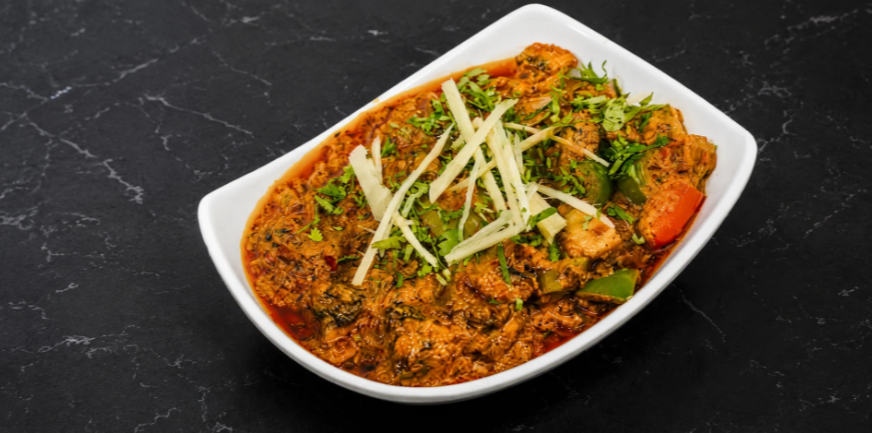
Vegetarian diners often face a common challenge when exploring Indian cuisine: choosing between dozens of flavorful curries that may appear similar on a menu but differ significantly in preparation, ingredients, and regional influence. Among these options, Kadai Mushroom stands out for its bold spice profile, vibrant texture, and distinctive cooking style.
For those searching for authentic Kadai Mushroom in Massachusetts, understanding what makes this dish unique can help turn a routine restaurant visit into a more informed and enjoyable dining experience.
Unlike cream-based curries or milder gravies, Kadai Mushroom highlights freshly ground spices, sautéed vegetables, and mushrooms cooked at high heat. The result is a dish that reflects the heart of North Indian cooking while remaining approachable for vegetarian diners.
What Makes Kadai Mushroom Different from Other Indian Curries
Kadai Mushroom differs from many Indian curries because it focuses on freshly roasted spices, bell peppers, onions, and mushrooms rather than cream-heavy gravies. The dish delivers bold flavor, noticeable texture, and a balance of spice that allows each ingredient to remain distinct.
The name “Kadai” comes from the traditional Indian wok-like cooking vessel used to prepare the dish. Unlike slow-simmered curries where ingredients blend together, Kadai dishes intentionally preserve texture and freshness.
One of the most recognizable characteristics is the use of freshly crushed coriander seeds and whole spices, which create a more aromatic and layered flavor profile than many standard curry preparations.
Kadai Mushroom is named after the cookware itself. Like how a wok influences Chinese cuisine, the kadai plays an important role in developing the dish’s flavor through high-heat cooking.
Why Is Kadai Cooking Important?
The cooking method directly impacts flavor.
In traditional preparation, mushrooms, onions, and bell peppers are cooked over high heat. This technique helps retain texture while allowing spices to coat each ingredient evenly.
The result is a curry that feels lighter than cream-based alternatives while still delivering substantial flavor.
For diners interested in Indian curry Massachusetts restaurants offer, understanding cooking methods often explains why certain dishes taste dramatically different despite sharing similar ingredients.
Many North Indian curries rely on slow-cooked gravies. Kadai dishes intentionally preserve the texture of vegetables, creating a more vibrant eating experience.
What Should First-Time Diners Know About Kadai Mushroom
First-time diners should expect a medium-spiced curry with noticeable vegetable texture, earthy mushroom flavor, and aromatic spices. It is less creamy than dishes like Paneer Butter Masala and more focused on spice-forward cooking.
The mushrooms absorb spices exceptionally well, making them ideal for this style of preparation.
The combination of onions, tomatoes, bell peppers, and freshly roasted spices creates layers of flavor that develop throughout the meal.
Those exploring Vegetarian Indian food Massachusetts restaurants serve often find Kadai Mushroom to be a comfortable entry point into North Indian cuisine.
How Does Kadai Mushroom Fit into North Indian Cuisine
North Indian cuisine is often associated with breads, rich curries, and robust spice blends.
Kadai Mushroom represents a category of dishes that prioritize aromatic spices and sautéed vegetables while maintaining a satisfying, hearty character.
Unlike South Indian cuisine, which frequently incorporates rice-based preparations and coconut flavors, North Indian cooking often centers around wheat breads such as naan, roti, and chapati paired with curries.
Kadai Masala is not a generic spice mix. Traditional versions are freshly ground specifically for each preparation, helping create the dish’s signature flavor.
For diners exploring North Indian food Massachusetts, Kadai Mushroom offers a clear example of these regional cooking traditions.
Finding Authentic Kadai Mushroom in Massachusetts
As Indian cuisine continues growing across Massachusetts, diners increasingly seek dishes that represent regional cooking rather than generic menu staples.
In communities such as Northborough, Marlborough, Westborough, and Shrewsbury, interest in vegetarian dining has expanded significantly among both Indian-origin families and American food enthusiasts.
Restaurants that prepare Kadai Mushroom using fresh vegetables, properly roasted spices, and traditional cooking methods tend to deliver a more authentic representation of the dish.
At A2B in Northborough, Kadai Mushroom appears within a broader menu that includes South Indian specialties, North Indian curries, and vegetarian-focused options, making it easier for diners to explore multiple regional styles during the same visit.
What Pairs Best with Kadai Mushroom
Kadai Mushroom pairs best with naan, chapati, roti, or jeera rice. These accompaniments balance the curry spice profile while allowing diners to enjoy the texture of the mushrooms and vegetables.
For first-time visitors, consider pairing it with:
- Butter Naan
- Chapati
- Jeera Rice
- Plain Basmati Rice
- Vegetable Pulao
Each option highlights different aspects of the curry.
Naan enhances richness, while rice allows the spices to stand out more clearly.
Why Vegetarian Diners Often Choose This Dish
Vegetarian diners frequently seek meals that feel substantial rather than simply meat-free.
Kadai Mushroom succeeds because mushrooms naturally provide a satisfying texture while absorbing flavors exceptionally well.
Unlike some vegetable curries where ingredients soften completely during cooking, Kadai Mushroom maintains structure and bite throughout the meal.
For guests seeking Vegetarian curry Massachusetts restaurants serve regularly, this balance of flavor and texture helps explain its popularity.
Practical Ordering Tips for Families and Groups
When dining with family or friends, Kadai Mushroom works particularly well as a shared dish.
Consider pairing it with:
- Paneer-based curries
- Dal preparations
- Tandoori breads
- Vegetable appetizers
- Rice dishes
This combination creates variety while showcasing different aspects of Indian cuisine.
For office lunches, weekend family meals, and community gatherings throughout Northborough, shared curry selections remain one of the most common dining patterns.
Frequently Asked Questions
What does Kadai Mushroom taste like?
Kadai Mushroom has a bold, spice-forward flavor profile with earthy mushrooms, sweet bell peppers, onions, tomatoes, and freshly roasted spices. The dish is aromatic rather than overwhelmingly hot, making it approachable for many diners.
Is Kadai Mushroom spicy?
Most versions are moderately spiced. The focus is typically on aromatic flavor rather than extreme heat. Spice levels may vary depending on preparation style and restaurant preferences.
What is the difference between Kadai Mushroom and Mushroom Masala?
Kadai Mushroom emphasizes freshly ground spices and sautéed vegetables, while Mushroom Masala generally features a smoother, more blended gravy. The texture and cooking method create distinctly different dining experiences.
What bread goes best with Kadai Mushroom?
Naan, roti, and chapati are the most common pairings. These breads help balance the spices and provide an easy way to enjoy the curry’s rich sauce and vegetables.
A Dish That Represents More Than a Curry
For vegetarian food lovers, Kadai Mushroom offers more than a flavorful meal. It provides insight into North Indian cooking techniques, spice traditions, and regional culinary identity.
In Massachusetts, where diners increasingly seek authentic and regionally influenced cuisine, dishes like Kadai Mushroom help bridge cultural familiarity and culinary discovery. Whether you’re already familiar with Indian food or exploring it for the first time, this classic curry remains one of the most informative and rewarding dishes on the menu.