
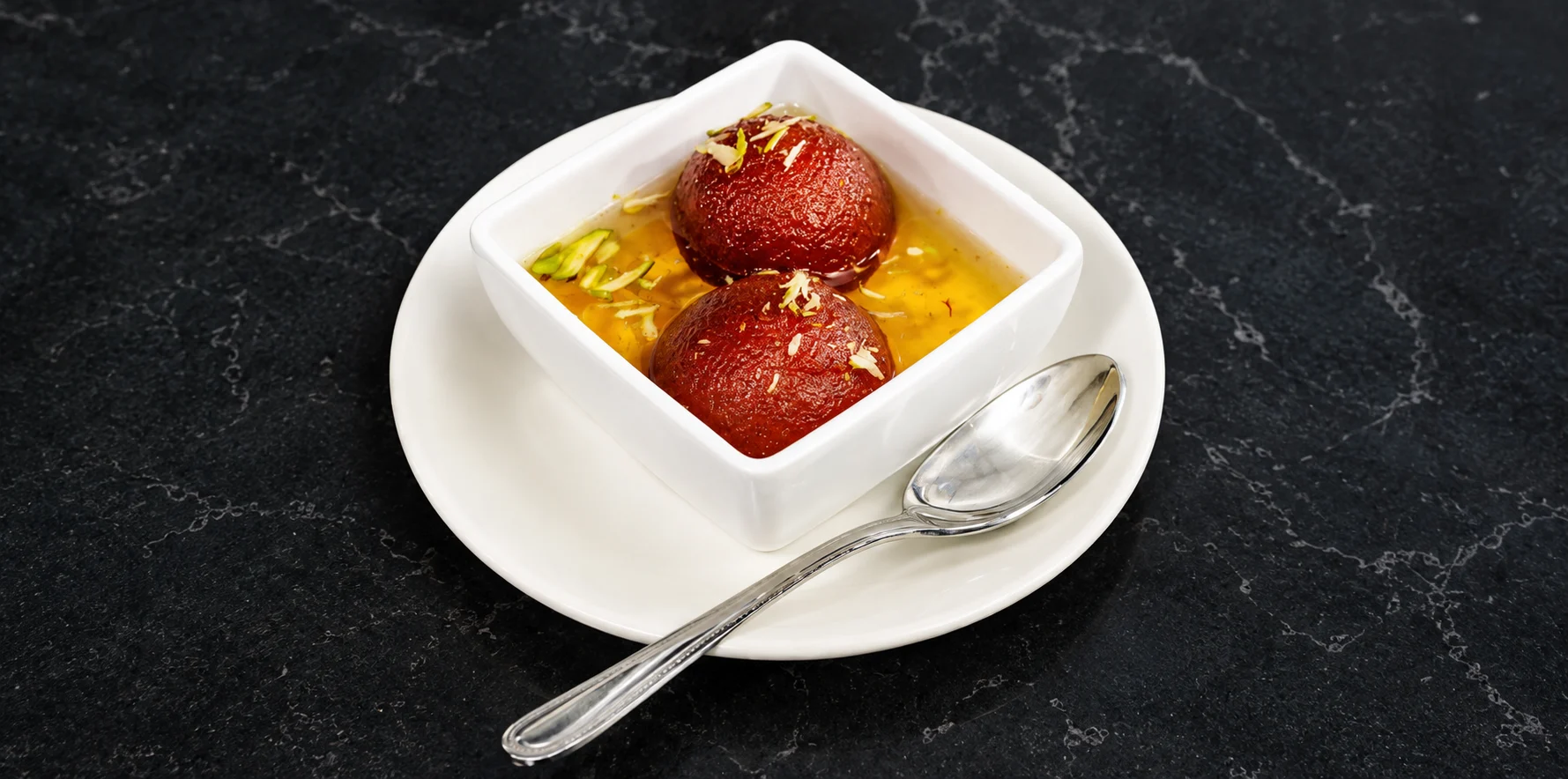
Some meals end with a cup of coffee. Others end with a sweet shared across the table.
In Indian food culture, sweets are not just desserts served after a meal. They represent celebrations, traditions, family gatherings, festivals, and moments worth remembering. A small piece of Mysore Pak or a spoonful of halwa can bring back memories of special occasions and homemade flavors.
For those exploring South Indian sweets in Massachusetts, discovering traditional Indian desserts offers a chance to experience another side of South Indian cuisine. While dishes like dosa and idli are widely recognized, the region’s sweet traditions are equally diverse, featuring ingredients such as ghee, milk, nuts, semolina, coconut, jaggery, and aromatic spices.
For diners searching for Indian sweets in Northborough, MA, A2B provides an opportunity to explore classic South Indian-inspired sweets alongside its vegetarian Indian menu.
Table of Contents
- What Makes South Indian Sweets Unique?
- The Role of Sweets in South Indian Food Culture
- Best South Indian Sweets to Try at A2B in Massachusetts
- How Do South Indian Sweets Differ from Other Indian Desserts?
- Where to Find South Indian Sweets in Northborough, MA
- Pairing South Indian Food with Traditional Desserts
- Frequently Asked Questions About South Indian Sweets
What Makes South Indian Sweets Unique?
South Indian sweets are unique because they combine traditional ingredients like ghee, milk, lentils, rice, nuts, coconut, and jaggery to create a wide range of textures and flavors. Some sweets are rich and melt-in-the-mouth, while others are light, flaky, or soft. Regional preparation methods make each dessert distinct.
Unlike desserts that focus only on sweetness, South Indian sweets often balance richness with aroma and texture.
For example:
- Ghee provides a deep, buttery aroma and smooth texture.
- Cardamom adds a warm fragrance.
- Cashews and almonds create a nutty richness.
- Semolina and rice-based ingredients provide unique textures.
- Jaggery and coconuts introduce natural sweetness.
This variety is what makes exploring traditional South Indian sweets an interesting experience for both longtime Indian food lovers and first-time diners.
The Role of Sweets in South Indian Food Culture
In many South Indian households, sweets relate to important moments.
They are prepared during:
- Festivals such as Diwali and Pongal
- Weddings and family celebrations
- Religious occasions
- Housewarming ceremonies
- Welcoming guests
However, sweets are not limited to special occasions.
A traditional South Indian meal can feel complete with a small sweet at the end. The contrast between spicy dishes, tangy chutneys, savory snacks, and a sweet finishing bite creates a balanced dining experience.
This cultural connection is one reason Indian sweets continue to remain popular among communities looking for familiar flavors away from their hometowns.
Best South Indian Sweets to Try at A2B in Massachusetts
When exploring South Indian desserts, the best choice depends on your preferred texture and flavor.
Some diners enjoy rich, ghee-based sweets, while others prefer lighter nut-based or flaky options.
Mysore Pak: A Classic Ghee-Based Sweet
Mysore Pak is one of South India’s most recognizable sweets. Made using gram flour, sugar, and generous amounts of ghee, it has a rich texture that can range from soft and melt-in-the-mouth to slightly firm.
Its buttery aroma and deep sweetness make it a popular choice for anyone discovering South Indian sweets in Massachusetts for the first time.
Badusha: A Flaky and Syrupy Favorite
Badusha combines a lightly crisp exterior with a softer center. Similar in appearance to a glazed pastry, it is prepared with flour, fried carefully, and finished with sugar syrup.
The layered texture creates a balance between richness and sweetness, making it a traditional favorite during celebrations.
Kaju Katli: Smooth and Nutty
Kaju Katli is made primarily from cashews and sugar, creating a smooth, delicate texture.
Unlike heavier sweets, it has a subtle nutty flavor and a simple sweetness. Its elegant presentation and mild taste make it a popular choice for gifting and celebrations.
Badam Katli: Almond-Based Sweetness
Badam Katli offers a smooth texture with the natural richness of almonds.
It is a good option for diners who enjoy nut-based sweets with a slightly lighter flavor profile compared with ghee-heavy desserts.
Soan Papdi: Light and Flaky
Soan Papdi is known for its unique flaky texture. Unlike dense sweets, it feels lighter because of its layered structure.
Its delicate sweetness makes it an approachable option for people trying Indian desserts for the first time.
Laddu: A Celebration Favorite
Laddu is one of India’s most recognizable sweets and appears across different regions with many variations.
Depending on preparation style, laddu can be soft, crumbly, or slightly firm. It is strongly associated with festivals, celebrations, and sharing with family and friends.
Cashew Halwa: Rich and Comforting
Cashew Halwa offers a softer dessert experience with a smooth consistency and deep nutty flavor.
Its richness comes from carefully cooked ingredients that create a comforting texture, making it different from crisp or flaky sweets.
Pineapple Rava Kesari: A South Indian Dessert Classic
Rava Kesari is a popular South Indian sweet made with semolina, sugar, ghee, and aromatic ingredients.
The pineapple variation adds a fruity note, creating a dessert that is fragrant, colorful, and connected to South Indian dining traditions.
How Do South Indian Sweets Differ from Other Indian Desserts?
South Indian sweets often highlight ingredients such as coconut, rice, semolina, lentils, nuts, and ghee, while other Indian regions may focus more heavily on milk-based sweets, flour preparations, or syrup-based desserts. Each region has its own techniques, ingredients, and cultural connections.
Indian sweets vary significantly from state to state.
For example:
- North Indian desserts often feature milk solids, paneer, and khoya.
- South Indian sweets frequently incorporate rice, coconut, lentils, semolina, and ghee.
- Coastal regions often use coconut-based flavors.
- Festival sweets may differ depending on local traditions.
Understanding these differences helps diners appreciate Indian desserts as a collection of regional cuisines rather than a single category.
Where to Find South Indian Sweets in Northborough, MA
For people searching for South Indian sweets near me or Indian sweets in Northborough, MA, accessibility and authenticity both matters.
A2B is located at:
10004 Shops Way, Northborough, MA 01532
The restaurant focuses on vegetarian Indian cuisine with strong South Indian influences, offering diners an opportunity to explore traditional dishes and sweets in one place.
Its location also serves nearby communities including Westborough, Shrewsbury, and Marlborough, making it convenient for families and groups looking for vegetarian Indian food in Massachusetts.
Pairing South Indian Food With Traditional Desserts
A sweet is often more enjoyable when it becomes part of the complete meal experience.
Many diners begin with South Indian favorites such as:
- Masala dosa
- Mysore masala dosa
- Idli with sambar
- Vada
- South Indian thali
Then, desserts provide a final contrast with their sweetness and richness.
A crisp dosa paired with chutneys, followed by a soft Mysore Pak or refreshing Rava Kesari, creates a combination of textures and flavors that represents the variety of South Indian cuisine.
For guests interested in exploring more of A2B’s menu, related dishes such as Mysore Masala Dosai and the Dosai Corner in Massachusetts highlight the restaurant’s South Indian specialties.
Frequently Asked Questions About South Indian Sweets
What are the most popular South Indian sweets?
Popular South Indian sweets include Mysore Pak, Laddu, Kesari, Badusha, Halwa, and various nut-based sweets. Each dessert has a different texture and preparation method, ranging from soft and rich to flaky and delicate.
What makes South Indian sweets different?
South Indian sweets stand out because of their use of regional ingredients such as coconut, rice, lentils, semolina, nuts, and ghee. Traditional preparation methods create distinct textures and flavors that reflect different South Indian communities and celebrations.
Where can I find South Indian sweets in Massachusetts?
A2B in Northborough, Massachusetts offers vegetarian Indian cuisine with South Indian influences and a selection of traditional sweets. Availability may vary, so checking the current menu is recommended before ordering.
What South Indian sweet should beginners try first?
Beginners may enjoy Kaju Katli for its mild nutty flavor or Mysore Pak for its rich ghee-based texture. Rava Kesari is another approachable option because of its soft texture and familiar sweetness.
A Sweet Tradition That Continues Beyond the Meal
South Indian sweets represent more than a final course. They carry memories of celebrations, family traditions, and regional cooking knowledge passed through generations.
For diners exploring Indian sweets in Northborough, MA, these desserts provide a way to experience the sweeter side of South Indian cuisine. Whether shared during a celebration, enjoyed after a meal, or taken home for family, each sweet tells a small story about tradition, craftsmanship, and culture.
At A2B Massachusetts, exploring South Indian sweets alongside vegetarian classics allows diners to experience how savory dishes and desserts come together as part of one complete culinary tradition.