
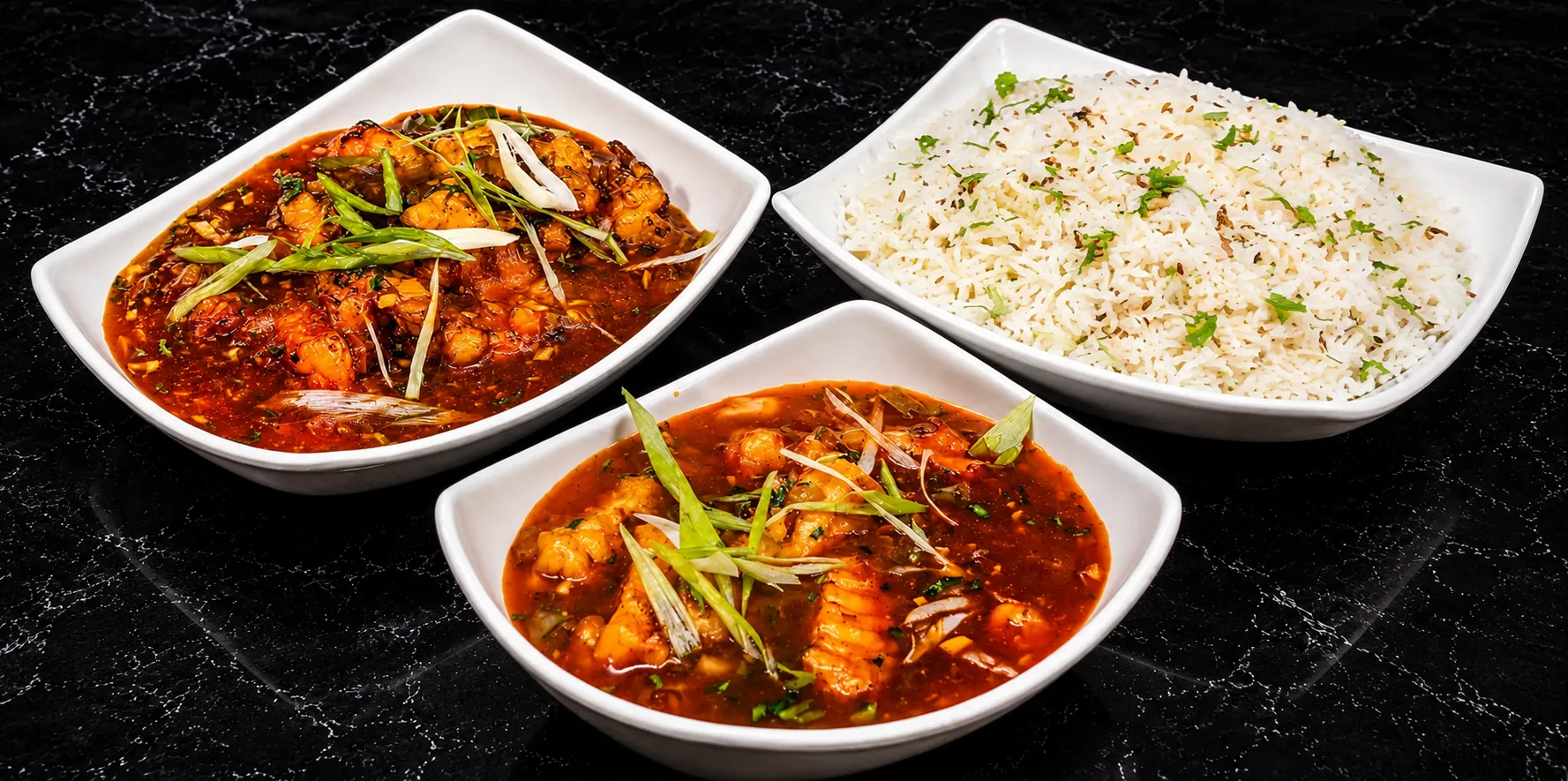
Kadai Vegetables Curry in Massachusetts: A Flavorful North Indian Classic
Finding a truly satisfying vegetarian curry can be surprisingly challenging. Many diners searching for Indian food want something that delivers depth, texture, and authentic spice without relying on meat-based ingredients. Among North India’s most beloved vegetable dishes, Kadai Vegetables Curry stands out for its bold flavors, vibrant colors, and distinctive cooking style.
For those searching for Kadai Vegetables Curry in Massachusetts, understanding what makes this dish special can help you choose a meal that offers both comfort and culinary authenticity. From the signature kadai masala to the fresh vegetables cooked over high heat, this North Indian classic continues to attract both longtime Indian food enthusiasts and curious first-time diners throughout Massachusetts.
What Makes Kadai Vegetables Curry Different
Kadai Vegetables Curry is known for its freshly ground spices, colorful vegetables, and distinctive wok-style cooking method that creates bold flavors without overwhelming richness.
Unlike many creamy Indian curries, Kadai Vegetables Curry emphasizes roasted spices and fresh vegetables. The dish gets its name from the traditional “kadai,” a deep Indian cooking vessel similar to a wok.
The cooking technique allows vegetables to retain texture while absorbing layers of aromatic spices. This balance of freshness and spice is one reason many diners specifically search for Kadai Vegetables Curry in Massachusetts rather than generic vegetable curry options.
The Story Behind the Kadai Cooking Style
One interesting fact many diners may not know is that the kadai itself plays an important role in the final flavor.
Historically, North Indian cooks used heavy iron kadais to prepare vegetables and curries over intense heat. The high-temperature cooking helps caramelize onions, tomatoes, and spices while preserving the natural character of the vegetables.
Another lesser-known detail is that traditional kadai masala is often prepared fresh rather than relying solely on pre-made spice blends. Roasted coriander seeds, dried red chilies, cumin, and black pepper are commonly ground together shortly before cooking.
This process creates a fresher and more aromatic flavor profile compared to many standard curry preparations.
Why This Dish Remains a Vegetarian Favorite
Vegetarian Indian cuisine offers far more variety than many people realize.
While paneer dishes and lentil curries receive much attention, Kadai Vegetables Curry remains popular because it combines multiple textures in a single dish.
Fresh bell peppers contribute sweetness and crunch.
Onions provide savory depth.
Tomatoes create a rich base.
Seasonal vegetables add variety and nutritional value.
The result is a meal that feels hearty and satisfying without being excessively heavy.
Many diners looking for Vegetarian Indian food in Massachusetts appreciate that Kadai Vegetables Curry showcases vegetables as the centerpiece rather than as side ingredients.
What Should First-Time Diners Expect
First-time diners can expect a medium-to-bold spice profile, visible roasted spices, colorful vegetables, and a curry that balances freshness with robust North Indian flavors.
Unlike smooth restaurant-style gravies, authentic Kadai Vegetable Curry often has a slightly rustic texture. Chunks of vegetables remain prominent throughout the dish.
The aroma typically features:
- Roasted coriander
- Fresh ginger
- Bell peppers
- Tomatoes
- Cumin
- Green chilies
The flavor develops gradually, beginning with mild sweetness before revealing deeper layers of spice.
For diners new to North Indian curry in Massachusetts, this dish provides an approachable introduction to regional Indian cooking traditions.
A North Indian Classic Available in Northborough
As Massachusetts continues to develop a vibrant Indian dining scene, diners increasingly seek regional specialties rather than generic menu offerings.
In Northborough, A2B includes traditional North Indian selections alongside South Indian favorites, giving diners an opportunity to explore different regional cooking styles in a single visit.
For families gathering on weekends, professionals meeting colleagues for lunch, or groups celebrating special occasions, dishes such as Kadai Vegetables Curry provide a vegetarian option that appeals to a wide range of tastes.
This reflects a broader trend across Massachusetts where diners are becoming more interested in authentic Indian cuisine and regional culinary traditions.
The Ingredients That Create Its Signature Flavor
A defining feature of Kadai Vegetable Curry Massachusetts diners often enjoy is its emphasis on fresh ingredients.
Typical ingredients include:
- Bell peppers
- Onions
- Tomatoes
- Green peas
- Carrots
- Cauliflower
- Fresh coriander
- Ginger
- Garlic
- Roasted kadai masala
The vegetables are typically cooked until tender while retaining structure and color.
The spice blend contributes warmth rather than extreme heat, allowing the natural flavors of the vegetables to remain noticeable.
What Pairs Well with Kadai Vegetables Curry
One dining challenge many people face is deciding what to order alongside a curry.
Some excellent pairings include:
Indian Breads
- Butter Naan
- Garlic Naan
- Tandoori Roti
- Chapati
The breads help scoop up the flavorful gravy while balancing the spices.
Rice Options
- Jeera Rice
- Plain Basmati Rice
- Vegetable Pulao
Rice provides a lighter alternative and allows the curry’s spice blend to stand out.
Additional Vegetarian Favorites
- Paneer dishes
- Dal preparations
- Vegetable appetizers
These combinations work especially well for family-style dining.
Why Is North Indian Cuisine Popular in Massachusetts
North Indian cuisine has gained popularity in Massachusetts because it offers familiar comfort foods, rich curries, vegetarian variety, and shareable dishes that suit both family dining and group gatherings.
Communities throughout Northborough and surrounding areas increasingly seek dining experiences that balance authenticity with accessibility.
North Indian dishes often feature:
- Rich spice blends
- Bread-and-curry combinations
- Vegetarian flexibility
- Family-style serving traditions
These characteristics align well with local dining habits, particularly during weekend meals and celebrations.
Practical Ordering Tips for Families and Groups
When dining with family or friends, ordering strategically creates a more enjoyable experience.
Consider including:
For Families
- One curry
- One rice dish
- One bread basket
- Two appetizers
For Vegetarian Groups
- Kadai Vegetables Curry
- Paneer entrée
- Dal dish
- Rice
- Assorted breads
For First-Time Visitors
Pair Kadai Vegetables Curry with naan and jeera rice to experience both traditional accompaniments.
This approach allows diners to sample different textures and flavor combinations.
Frequently Asked Questions
Is Kadai Vegetables Curry spicy?
The spice level is typically moderate. The dish emphasizes aromatic spices and roasted flavors more than intense heat. Spice levels can often be adjusted based on preference, making it suitable for a wide range of diners.
What vegetables are commonly used in Kadai Vegetables Curry?
Bell peppers, onions, tomatoes, peas, carrots, cauliflower, and seasonal vegetables are frequently included. The specific combination may vary depending on the chef’s preparation and ingredient availability.
Is Kadai Vegetables Curry a healthy vegetarian option?
Yes. The dish contains a variety of vegetables and uses spices known for their flavor and nutritional benefits. It offers a satisfying meal without relying heavily on cream or excessive fats.
What is the difference between Kadai Curry and regular vegetable curry?
Kadai Curry uses a distinctive roasted spice blend and high-heat cooking technique. The vegetables remain more textured, and the flavors tend to be bolder and more aromatic than many standard vegetable curries.
A Dish That Continues to Win New Fans
For diners exploring Authentic North Indian food in Massachusetts, Kadai Vegetables Curry offers an excellent introduction to the region’s culinary traditions. Its combination of roasted spices, fresh vegetables, and traditional cooking techniques reflects why North Indian cuisine continues to attract devoted followers.
Whether enjoyed during a weekend family meal, a casual dinner with friends, or a community gathering in Northborough, this classic curry represents the depth and diversity that make Indian cuisine such an important part of Massachusetts’ growing dining landscape.