
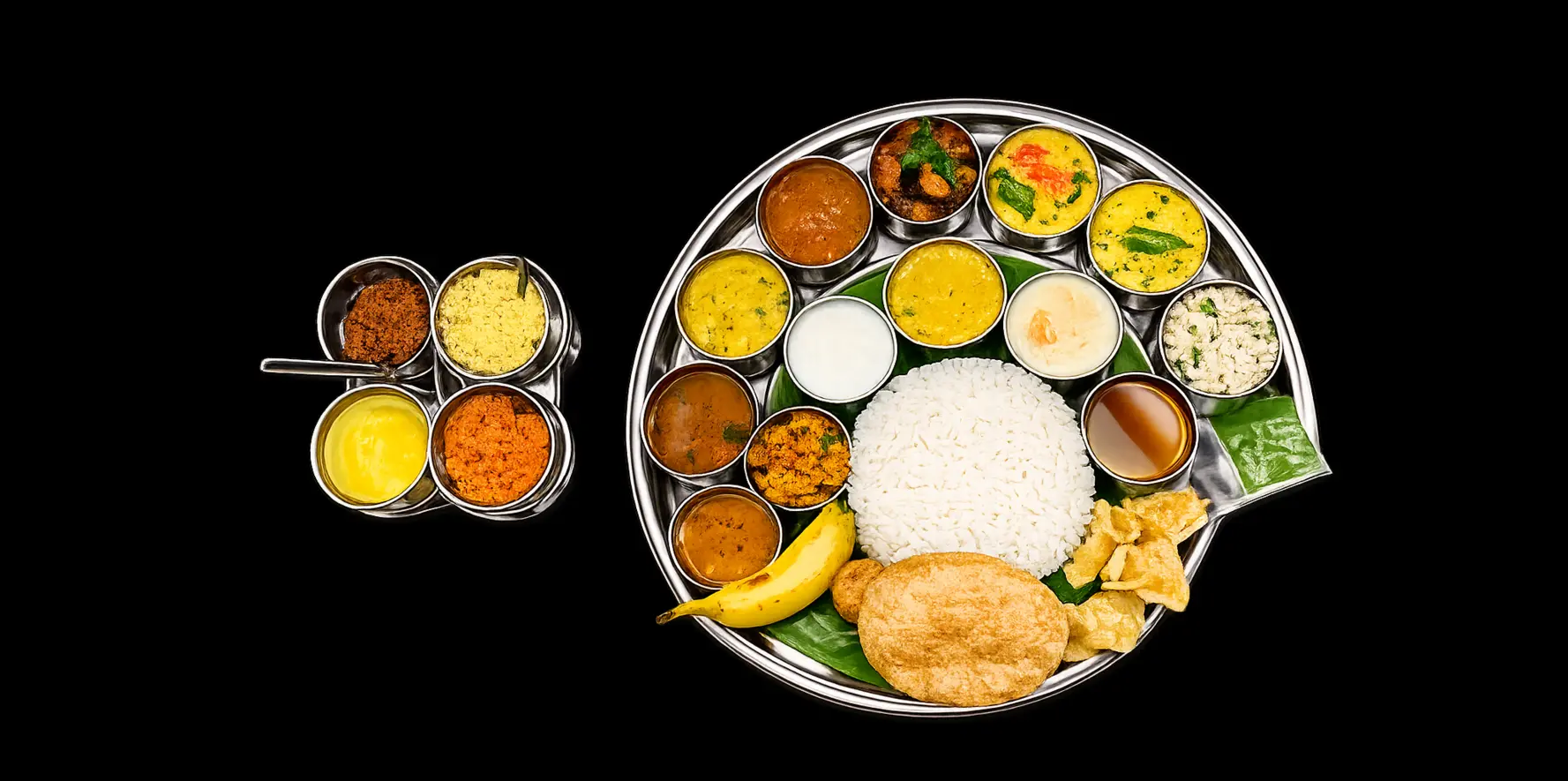
Food has always been one of the strongest ways communities preserve culture, especially when traditions travel across borders. For Kerala communities living outside India, Onam Sadya in Massachusetts represents more than a festive meal. It brings together memories, regional flavors, family traditions, and the spirit of sharing that defines the Onam celebration.
Unlike a regular restaurant meal, Sadya is a carefully planned vegetarian feast where every dish has a purpose. Served traditionally on a banana leaf, it brings together rice, vegetables, lentils, coconut-based preparations, pickles, crispy snacks, and desserts. The experience is about balance, variety, and enjoying many flavors together.
For those discovering Kerala cuisine for the first time, Onam Sadya offers a unique introduction to traditional South Indian food culture. But what makes Sadya special? What dishes are included? And where can diners experience an authentic Kerala feast in Massachusetts?
Table of Contents
- What Is Onam Sadya?
- Why Is Sadya an Important Part of Onam?
- What Foods Are Served in a Traditional Sadya?
- How Is Sadya Traditionally Enjoyed?
- Where Can You Find Onam Sadya in Massachusetts?
- Frequently Asked Questions
What Is Onam Sadya?
Onam Sadya is a traditional Kerala vegetarian feast prepared during the Onam festival. It typically includes rice, vegetable curries, lentil dishes, coconut-based preparations, pickles, snacks, and desserts served together on a banana leaf.
The word “Sadya” means a feast or banquet in Malayalam. Instead of focusing on one main dish, Sadya celebrates a complete combination of flavors and textures.
A traditional Sadya may include mild dishes, spicy accompaniments, tangy preparations, and sweet finishes. Ingredients such as coconut, curry leaves, lentils, vegetables, yogurt, and jaggery play an important role in creating Kerala’s distinctive food identity.
The uniqueness of Sadya comes from how each dish complements another. A spoonful of rice mixed with sambar creates a different experience from rice paired with avial, thoran, or a tangy pickle.
Why Is Sadya an Important Part of Onam?
Sadya is an important part of Onam because it represents community, gratitude, and Kerala’s cultural heritage. Families and communities gather to celebrate together, sharing a traditional meal that connects generations and keeps regional customs alive.
Onam is one of Kerala’s most celebrated festivals and is traditionally associated with King Mahabali. The festival includes cultural traditions such as pookalam flower arrangements, traditional clothing, celebrations, and community gatherings.
For Malayali families living in Massachusetts, including communities around Boston, Worcester, Northborough, and surrounding areas, Onam provides an opportunity to reconnect with Kerala traditions.
The Sadya meal becomes the center of the celebration, bringing people together around a shared table and allowing younger generations to experience traditional Kerala cuisine.
What Foods Are Served in Traditional Sadya?
A traditional Sadya includes a wide variety of vegetarian dishes. While the exact menu may differ between families and regions, several preparations remain popular.
Rice and Curry Preparations
Kerala Matta Rice:
Traditional red rice with a slightly nutty flavor and firm texture, commonly served as the base of the meal.
Parippu:
A simple lentil preparation often enjoyed with rice and ghee. Its comforting flavor creates a balanced beginning to the meal.
Sambar:
A lentil and vegetable curry made with tamarind, spices, and seasonal vegetables, adding a combination of tangy and savory flavors.
Coconut-Based Kerala Specialties
Avial:
A classic Kerala dish made with mixed vegetables, coconut, and yogurt. It has a mild flavor with a creamy texture and subtle coconut aroma.
Thoran:
Finely chopped vegetables cooked with grated coconut, curry leaves, and spices. It adds freshness and texture to the meal.
Olan:
A light preparation made with vegetables and coconut milk, known for its delicate flavor.
Kaalan:
A thicker yogurt and coconut-based dish with a mild tanginess.
Traditional Accompaniments and Desserts
Pachadi and Kichadi:
Refreshing yogurt-based dishes that provide a sweet or tangy contrast.
Pappadam:
Crispy lentil wafers that add crunch to the soft textures of the meal.
Banana Chips:
A popular Kerala snack served as a crispy accompaniment.
Pickles:
Mango, lime, and other pickles bring sharp, spicy flavors that balance milder dishes.
Payasam:
A traditional Kerala dessert prepared with ingredients such as rice, vermicelli, coconut milk, milk, or jaggery. It provides a sweet ending to the feast.
How Is Sadya Traditionally Enjoyed?
Traditional Sadya is served on a banana leaf, with dishes arranged in a specific order. Diners usually eat with their hands, combining rice with different curries and accompaniments to create unique flavors throughout the meal.
The banana leaf is not just a serving plate; it is part of Kerala’s dining tradition. The arrangement of dishes allows diners to experience different combinations throughout the meal.
For first-time diners, the best approach is to try small portions of everything. The same rice can taste completely different when paired with sambar, avial, parippu, or pickle.
The meal usually moves from savory flavors toward sweeter preparations, with payasam serving as a memorable finish.
Where Can You Find Onam Sadya in Massachusetts?
For those searching for Onam Sadya in Massachusetts, A2B Northborough offers an opportunity to experience this traditional Kerala feast during the festival season.
Located in Northborough, Massachusetts, A2B focuses on vegetarian Indian cuisine with a strong South Indian influence. Its seasonal Onam Sadhya brings together traditional Kerala preparations that allow diners to experience the variety and cultural importance of Sadya.
A2B’s vegetarian menu also includes South Indian classics such as dosa, idli, vadai, thali, and other regional favorites, making it a place where diners can explore different aspects of Indian vegetarian cuisine.
For Malayali families celebrating Onam away from Kerala, a traditional Sadya meal provides a familiar connection to home. For new diners, it offers an opportunity to understand Kerala’s food traditions through a complete cultural experience.
Frequently Asked Questions
Is Onam Sadya vegetarian?
Yes, traditional Onam Sadya is a vegetarian feast. It typically includes rice, vegetables, lentils, coconut-based dishes, yogurt preparations, pickles, snacks, and desserts. The focus is on creating variety through traditional cooking techniques, seasonal ingredients, and regional flavors.
Why is Sadya served on a banana leaf?
Banana leaf serving is an important part of Kerala dining culture. It provides a traditional way of presenting the different dishes and is closely connected with festive meals and celebrations. The practice reflects Kerala’s connection with nature and traditional hospitality.
Where can I find authentic Onam Sadya in Massachusetts?
Several Indian restaurants and Kerala communities celebrate Onam in Massachusetts with traditional Sadya offerings. A2B Northborough is one option for diners looking for a vegetarian Kerala-style feast and an introduction to traditional South Indian flavors.
How many dishes are included in a traditional Sadya?
The number of dishes varies depending on family traditions, regions, and celebrations. A festive Sadya can include numerous preparations, including rice, curries, vegetables, pickles, snacks, and desserts. The variety is what makes the meal unique and memorable.
A Feast That Connects Culture and Community
Onam Sadya represents the heart of Kerala food culture through its focus on sharing, balance, and tradition. For Kerala families in Massachusetts, it creates a connection to familiar celebrations and memories. For new diners, it provides an opportunity to discover how simple ingredients like rice, coconut, vegetables, and spices can create a meaningful culinary experience.
As Indian communities continue celebrating cultural traditions across Massachusetts, Onam Sadya remains a reminder that food can preserve heritage, bring people together, and create a sense of belonging far from home.