
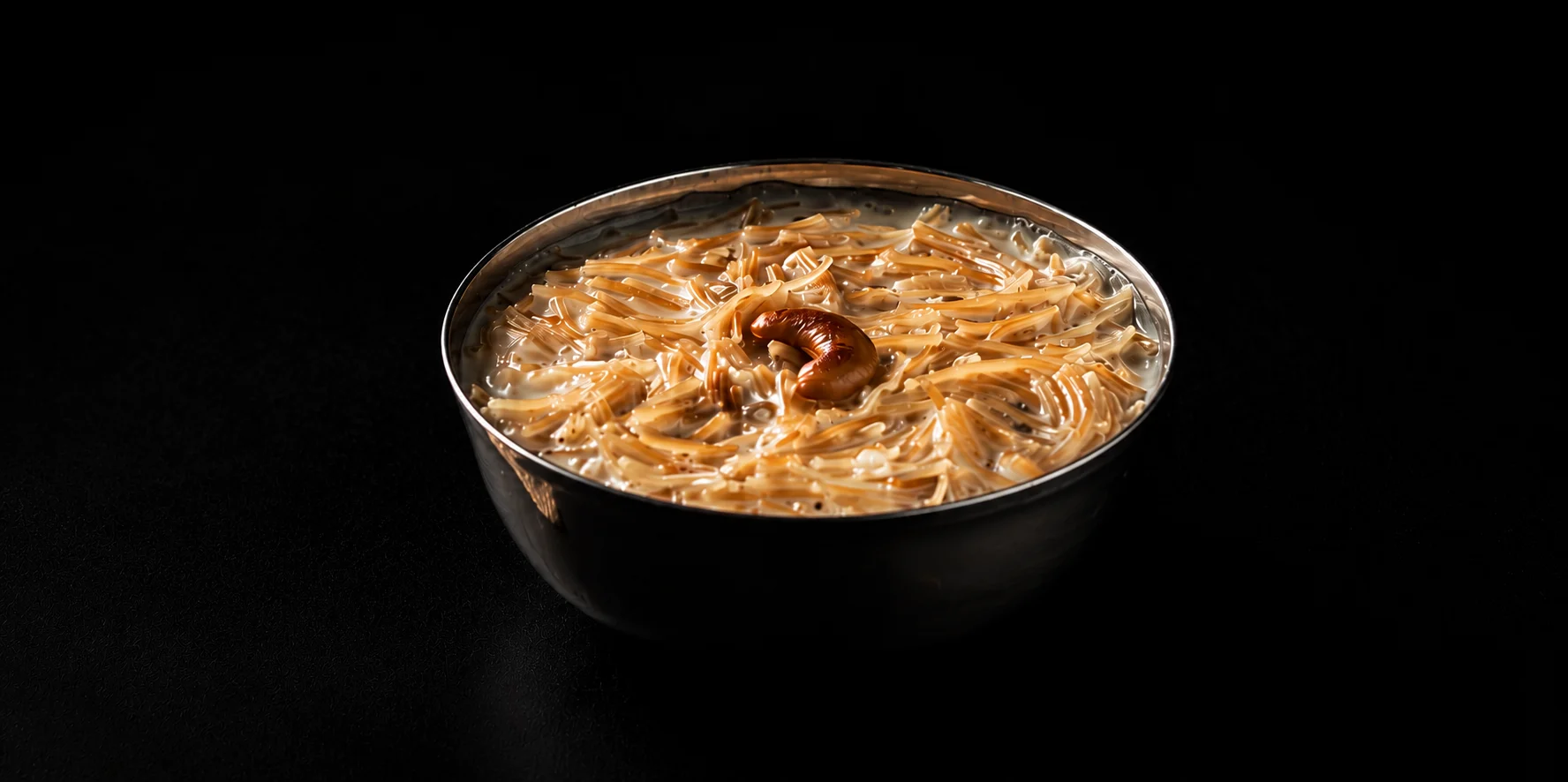
When people search for Payasam in Massachusetts, they are often looking for more than just a dessert. They want a traditional South Indian sweet that reminds them of festivals, family gatherings, temple celebrations, and cherished homemade meals. While many Indian desserts are available across Massachusetts, authentic South Indian Payasam prepared using traditional methods can be difficult to find.
Payasam is more than a sweet dish, it represents celebration, gratitude, and togetherness. Whether served during Pongal, Onam, Navratri, weddings, birthdays, or housewarming ceremonies, it remains one of South India’s most treasured desserts. For those seeking authentic South Indian Payasam Massachusetts residents enjoy, understanding its history, varieties, and cultural significance makes every spoonful even more meaningful.
What Makes Payasam Special in South Indian Cuisine
Payasam is a traditional South Indian dessert prepared using milk or coconut milk, rice, vermicelli, lentils, or rice flakes, sweetened with jaggery or sugar and flavored with cardamom, ghee, roasted cashews, and raisins. It has been an essential part of South Indian celebrations for centuries.
Unlike everyday sweets, Payasam carries cultural importance. It is often the first dish prepared during auspicious occasions and is traditionally offered as prasadam before being shared with family and guests.
The word “Payasam” originates from the Sanskrit word Payasa, meaning a milk-based sweet preparation. Over generations, different South Indian states developed their own regional versions, making Payasam one of India’s most diverse traditional desserts.
Why Do People Search for Payasam in Massachusetts
Many South Indian families living in Massachusetts celebrate festivals and family occasions while preserving culinary traditions from home. Finding Traditional Indian Desserts Massachusetts residents can trust becomes important for events such as:
- Weddings
- Baby showers
- Housewarming ceremonies
- Birthday celebrations
- Temple festivals
- Corporate gatherings
- Weekend family lunches
Instead of preparing desserts from scratch, many families prefer freshly prepared Payasam in Massachusetts that reflects authentic South Indian recipes and traditional flavors.
How Is Payasam Different from Kheer
Although Payasam and Kheer appear similar, they represent different regional culinary traditions. Kheer is commonly associated with North India, while Payasam is deeply rooted in South Indian cuisine and offers a wider variety of ingredients and cooking styles.
Kheer is generally prepared using milk, rice, and sugar, creating a thick and creamy dessert.
South Indian Payasam offers greater diversity. Depending on the region, it may include:
- Rice
- Vermicelli (Semiya)
- Moong dal
- Chana dal
- Rice flakes (Aval)
- Coconut milk
- Jaggery
- Palm sugar
Another distinctive feature is the generous use of roasted cashews, raisins, cardamom, and ghee, giving Payasam its rich aroma and layered flavor.
Traditional Types of South Indian Payasam
Every South Indian state celebrates Payasam differently. Each variety reflects local ingredients, traditions, and festive customs.
Paal Payasam
One of the most beloved desserts from Tamil Nadu, Paal Payasam Massachusetts food lovers enjoy is prepared using full-cream milk, fragrant short-grain rice, and sugar. Slow cooking creates its naturally creamy texture and delicate sweetness.
Its smooth consistency and comforting flavor make it a favorite for temple offerings, weddings, and family celebrations.
Semiya Payasam
Semiya Payasam Massachusetts diners often look for features roasted vermicelli cooked gently in milk with sugar. Cardamom, ghee-roasted cashews, and raisins add richness while maintaining a light and silky texture.
It remains one of the most popular desserts served during birthdays and festive family meals because it appeals to both children and adults.
Kerala Ada Pradhaman
Kerala’s famous Ada Pradhaman showcases the state’s love for coconuts and jaggery. Rice ada is slow-cooked with jaggery syrup and multiple extracts of coconut milk, creating a deep caramel-like sweetness with a velvety finish.
Unlike milk-based varieties, this version is naturally dairy-free and highlights Kerala’s traditional cooking methods.
Paruppu Payasam
Prepared using roasted moong dal or chana dal, Paruppu Payasam combines coconut milk, jaggery, cardamom, and ghee to produce a rich, earthy dessert.
Many South Indian households prepare this variety during religious ceremonies and housewarming celebrations because lentils symbolize prosperity and abundance.
Where to Enjoy Authentic Payasam in Massachusetts
After understanding the history and regional varieties of Payasam, many diners naturally look for an authentic place to enjoy it.
A2B (Adyar Ananda Bhavan) serves a wide selection of traditional South Indian vegetarian dishes, including freshly prepared Payasam inspired by classic family recipes. Rather than treating Payasam as just another dessert, it is prepared as part of a complete South Indian dining experience.
Visitors from Northborough, Worcester, Framingham, Cambridge, Quincy, Burlington, Lexington, Lowell, and Greater Boston frequently visit A2B for authentic South Indian Dessert Massachusetts diners appreciate during both everyday meals and festive occasions.
Whether dining with family, celebrating a festival, or ordering catering for a special event, authentic Payasam adds a traditional finishing touch to the meal.
What Should First-Time Visitors Order
If you’re trying South Indian desserts for the first time, begin with Paal Payasam or Semiya Payasam. Both offer balanced sweetness, creamy textures, and familiar flavors while introducing the traditional character of South Indian cuisine.
For diners who enjoy richer desserts, Kerala Ada Pradhaman provides a distinctive jaggery and coconut milk profile.
To enjoy a complete vegetarian meal, many guests pair Payasam with:
- Crispy Dosa
- Soft Idli
- Medu Vada
- Pongal
- South Indian Meals
- Filter Coffee
- Traditional South Indian sweets
This combination allows visitors to experience both savory and sweet elements of authentic South Indian dining.
Why Payasam Continues to Bring Families Together
Few desserts carry as much emotional and cultural significance as Payasam. Across generations, it has remained a symbol of celebration, gratitude, hospitality, and togetherness.
For South Indian families living in Massachusetts, enjoying traditional Payasam helps preserve cherished customs while introducing younger generations to authentic regional cuisine. Whether served during festivals, family dinners, or milestone celebrations, this timeless dessert continues to strengthen connections through food and tradition.
A2B contributes to Massachusetts’ growing appreciation for authentic South Indian vegetarian cuisine by offering traditional recipes prepared with quality ingredients and respect for culinary heritage.
Frequently Asked Questions
What is traditional South Indian Payasam?
Traditional South Indian Payasam is a dessert made using milk or coconut milk, rice, vermicelli, lentils, or rice flakes, sweetened with sugar or jaggery and flavored with cardamom, roasted cashews, raisins, and ghee. It is commonly served during festivals and celebrations.
Which Payasam is most popular in South India?
Paal Payasam and Semiya Payasam are among the most popular varieties across Tamil Nadu, while Kerala is especially known for Ada Pradhaman. Different regions have their own traditional recipes depending on local ingredients and customs.
Where can I enjoy authentic Payasam in Massachusetts?
A2B offers authentic South Indian vegetarian cuisine, including traditional Payasam prepared using classic recipes. Visitors from across Massachusetts choose A2B for family dining, celebrations, catering, and festive occasions.
Is Payasam suitable for celebrations?
Yes. Payasam is traditionally served during weddings, birthdays, housewarming ceremonies, temple festivals, baby showers, anniversaries, and other auspicious occasions. It remains one of South India’s most meaningful celebration desserts.
Keeping South Indian Dessert Traditions Alive
Traditional South Indian Payasam represents much more than sweetness it reflects culture, hospitality, and generations of culinary heritage. Whether enjoyed during a festival, shared at a family gathering, or served after a traditional vegetarian meal, it continues to hold a special place in South Indian cuisine.
For anyone looking to experience authentic Payasam in Massachusetts, A2B offers traditional South Indian flavors that celebrate the richness of vegetarian cooking while helping preserve timeless food traditions for today’s communities.