
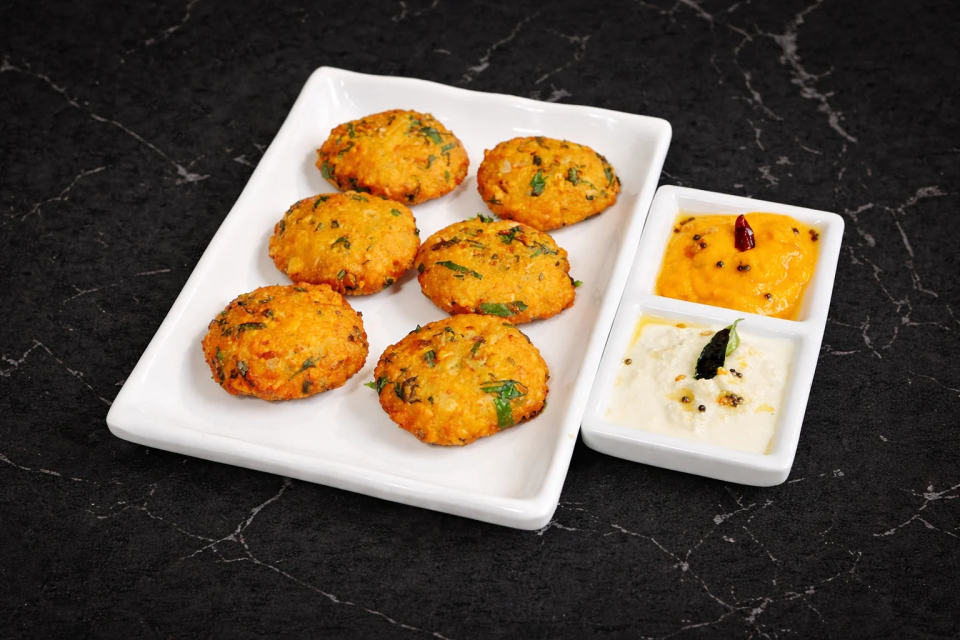
Many diners’ exploring South Indian food begin with dosa or idli, but some of the cuisine’s most interesting experiences come from dishes built around contrast. Sambar Vadai in Massachusetts is a strong example: a crisp lentil fritter transformed by warm, tangy, spice-layered sambar.
The appeal is not simply that two familiar South Indian foods are served together. The real character of the dish comes from timing, texture, absorption, and balance. A properly made vadai needs enough structure to absorb the sambar without immediately falling apart, while the lentil-and-vegetable stew must be flavorful enough to season every bite.
For diners searching for traditional South Indian food in Massachusetts, understanding these details can make it easier to recognize a well-prepared plate and decide what to order alongside it.
What Are Diners Really Looking for When They Search for Sambar Vadai in Massachusetts
Most people searching for Sambar Vadai in Massachusetts are looking for more than a nearby restaurant. They want to know where the dish is prepared in a recognizable South Indian style, what it should taste and feel like, whether it suits breakfast or a snack, and what complementary dishes will create a balanced meal.
That search intent matters because Sambar Vadai is highly dependent on texture. A diner may find several variations of fried lentil snacks, yet Medu Vada with sambar is a specific experience: the crisp surface softens gradually, the airy center absorbs the stew, and every spoonful combines savory lentils, acidity, spice, and fresh garnishes.
Searches such as Authentic Sambar Vadai Massachusetts, South Indian Snacks Massachusetts, and Indian Breakfast Massachusetts often come from two groups of diners. One is looking for familiar comfort food connected with everyday South Indian eating traditions. The other is discovering the cuisine and wants an accessible starting point beyond dosa.
For both groups, knowing what defines the dish is more useful than simply seeing it listed on a menu.
What Exactly Is Sambar Vadai
Sambar Vadai is a South Indian preparation in which a savory lentil fritter is immersed or soaked in warm sambar, a lentil-and-vegetable stew flavored with tamarind and aromatic spices. The finished dish combines a softened exterior, a tender and porous center, tangy lentil gravy, and garnishes such as onion and cilantro.
The foundation is the vadai. Traditional Medu Vada is commonly made from soaked and ground urad dal batter. When the batter is prepared with the right consistency and aeration, frying creates a crisp outer shell while preserving a light, soft interior.
That interior texture is important because Sambar Vadai is not simply a dry fritter with sauce poured beside it. The vadai is meant to take on the flavors of the sambar while retaining enough body to remain satisfied.
The sambar contributes to another layer of complexity. Traditional versions combine lentils, vegetables, tamarind, herbs, spices, and a sambar spice blend. This creates a balance of earthy, tangy, savory, and aromatic notes rather than one-dimensional heat.
Soaking changes the eating experience. A dry Medu Vada emphasizes crunch. Sambar Vadai shifts the focus toward absorption and contrast. The outside becomes tender first, while the center can still retain a slight airy resilience.
Why Does Texture Matter So Much in Sambar Vadai
Texture is the main test of a satisfying Sambar Vadai. The vadai should absorb enough sambar to become flavorful and tender without turning into an indistinct paste. A crisp exterior, aerated center, and properly timed soaking process creates a gradual change in texture from the first bite to the last.
The batter itself helps create this structure. Urad dal is soaked and ground into batter before shaping and frying; careful grinding and batter consistency contribute to the airy interior associated with Medu Vada.
Temperature also shapes perception. Warm sambar releases the aroma of spices and allows the vadai to absorb flavor more readily. Meanwhile, onion and cilantro garnishes can introduce freshness and a subtle raw crunch; A2B’s Massachusetts menu describes its Sambar Vadai as a South Indian lentil doughnut soaked in sambar and garnished with chopped onions and cilantro.
This is one reason the dish rewards eating soon after serving. The experience evolves as the vadai continues to absorb the sambar.
How Is Sambar Vadai Different from Medu Vada, Rasam Vadai, and Dahi Vadai
The difference is mainly in the liquid surrounding or soaking the vadai. Medu Vada highlights the fried fritter itself, Sambar Vadai uses a lentil-and-vegetable stew, Rasam Vadai is paired with a thinner and sharper rasam, while Dahi Vadai uses curd for a cooler, creamier experience. A2B’s menu lists all four preparations as distinct offerings.
The distinction matters when ordering:
Medu Vada is the choice for diners who want maximum crispness and prefer dipping each bite into chutney or sambar themselves.
Sambar Vadai offers the most integrated experience. The stew enters the pores of the fritter and becomes part of its texture.
Rasam Vadai tends to feel lighter and more broth-driven because rasam is thinner than sambar.
Dahi Vadai moves in the opposite direction, pairing the fried lentil base with a cooling curd.
For someone exploring vegetarian South Indian food in Massachusetts, tasting two different vadai preparations side by side can be more educational than ordering several unrelated starters.
A South Indian Snack That Works Across the Day
Although vada is strongly associated with South Indian breakfast and snack culture, the practical appeal of Sambar Vadai is its flexibility. Medu Vada is widely eaten as breakfast or a snack and is commonly served with sambar and coconut chutney.
For a weekend breakfast, Sambar Vadai can be paired with idli, dosa, or pongal. For an office lunch, it can work as a starter before a larger rice-based or tiffin meal. During a casual evening visit, it makes sense as a shared snack alongside filter coffee or another lighter dish.
This versatility is especially useful for family and group dining. Not everyone wants the same degree of richness or spice, so combining a soaked vadai dish with steamed idli, crisp dosa, or soft pongal creates different textures across the table.
Where A2B Fits into the Massachusetts Search
Once diners understand what they are looking for, A2B becomes relevant as one option for South Indian Sambar Vadai in Massachusetts.
The A2B Massachusetts menu specifically lists Sambar Vadai, describing it as a South Indian lentil doughnut soaked in sambar and garnished with chopped onions and cilantro. The same menu also includes Medhu Vadai, Rasam Vadai, Dahi Vadai, Masala Vadai, Keerai Vadai, idli preparations, Ghee Pongal, Rava Kichadi, dosa-related choices, and other vegetarian dishes.
That broader menu context is useful for diners because Sambar Vadai can be explored as part of a larger South Indian breakfast or snack experience rather than as an isolated appetizer.
A2B’s Massachusetts website identifies its Northborough restaurant at 10004 Shops Way, giving diners in Northborough and nearby communities a local option for vegetarian Indian dining.
The relevant point for someone comparing an Indian veg restaurant in Massachusetts with a South Indian veg restaurant in Massachusetts is menu depth. A restaurant serving multiple forms of vadai, steamed tiffin dishes, pongal, and dosa gives first-time diners more opportunities to understand how South Indian dishes differ in preparation and texture.
What Should First-Time Diners Order with Sambar Vadai
First-time diners should pair Sambar Vadai with one contrasting dish rather than ordering only soft or gravy-based foods. A crisp dosa, steamed idli, or creamy Ghee Pongal creates a more complete introduction to South Indian texture. Finish with filter coffee when available for a traditional-style combination of savory food and a strong, aromatic beverage. A2B’s menu includes Sambar Vadai alongside idli preparations and Ghee Pongal, while its website also highlights Madras filter coffee.
A practical ordering approach is:
For one person, try Sambar Vadai with idli or a dosa and coffee.
For two people, share Sambar Vadai and compare it with dry Medhu Vadai before adding a larger breakfast dish.
For a family meal, mix textures: Sambar Vadai, steamed idli, a crisp dosa, Ghee Pongal, and one or two additional dishes based on the group’s preferences.
For spice-sensitive diners, ask about the current spice level rather than assuming all South Indian food will be intensely hot. Sambar is built around lentils, vegetables, tamarind, and spice blends, so flavor balance is as important as heat.
How to Choose Sambar Vadai Based on Your Dining Occasion
For breakfast or brunch: Pair it with idli, pongal, or dosa. This creates a range of steamed, crisp, soft, and soaked textures.
For an office lunch: Use Sambar Vadai as a shared starter before individual mains. It is easy to divide and introduces the table to a recognizable South Indian flavor combination.
For weekend family dining: Order it as one component of a larger shared meal. Vadai variations are particularly useful when children, first-time diners, and experienced South Indian food lovers are all eating together.
For cuisine exploration: Compare Sambar Vadai and Rasam Vadai or Sambar Vadai and Dahi Vadai. A side-by-side tasting reveals how dramatically the same basic fried format can change depending on the soaking liquid. The different preparations appear separately on A2B’s menu.
FAQs
What makes authentic Sambar Vadai different from regular Medu Vada?
Regular Medu Vada emphasizes the contrast between a crisp fried exterior and a soft interior and is commonly served with sambar or chutney on the side. Sambar Vadai changes the structure by soaking the lentil fritter in sambar. The vadai absorbs the tangy, aromatic stew, producing a softer and more integrated flavor experience.
Is Sambar Vadai suitable for someone trying South Indian food for the first time?
Yes. Sambar Vadai introduces several important South Indian elements in one approachable dish: lentils, tamarind-based tang, aromatic spice blends, fried texture, and the practice of pairing tiffin-style foods with sambar. First-time diners may enjoy pairing it with idli or dosa to experience contrasting textures within the same meal.
Is Sambar Vadai a breakfast dish or an appetizer?
It can work as both. Medu Vada is widely associated with South Indian breakfast and snack eating, while restaurant menus may position Sambar Vadai among appetizers or tiffin-style choices. For diners in Massachusetts, it works equally well as part of a weekend breakfast combination or as a shared beginning to a larger vegetarian meal.
What other dishes should vegetarians try with Sambar Vadai?
Vegetarian diners can build a varied meal by pairing Sambar Vadai with steamed idli, Ghee Pongal, dosa, Rava Kichadi, or another vadai preparation. The aim is to combine different cooking techniques and textures: steaming, griddle cooking, frying, and slow-cooked lentil dishes. A2B’s Massachusetts menu includes several of these South Indian vegetarian choices.
Why This Dish Deserves More Attention in Massachusetts
Sambar Vadai is worth exploring because it demonstrates how South Indian cooking can create complexity from ingredients that seem straightforward on paper. Lentils appear in both the fritter and the sambar, yet different cooking methods produce completely different textures. Tamarind adds acidity, spices build aroma, vegetables contribute to the body, and soaking transforms a crisp snack into something warmer and more comforting.
For experienced diners, the dish can offer the familiarity of a traditional South Indian snack. For newcomers, it is a useful introduction to the cuisine’s attention to texture, fermentation and grinding techniques, tempering, tanginess, and thoughtful combinations.
Within the Massachusetts dining landscape, restaurants with deeper South Indian vegetarian menus give families, office groups, weekend diners, and curious food explorers an opportunity to move beyond the most familiar choices. A2B in Northborough fits naturally into that conversation because Sambar Vadai appears within a broader menu of vadai variations, steamed dishes, breakfast specialties, and vegetarian Indian food.
For anyone searching for Sambar Vadai in Massachusetts, the most rewarding approach is not simply to find the nearest plate. It is to understand what makes the dish work: the airy lentil fritter, the balanced sambar, the timing of the soak, and the contrast with the rest of the meal. That knowledge turns a simple order into a better introduction to the depth of South Indian food.
2 Comments
Comments are closed.