
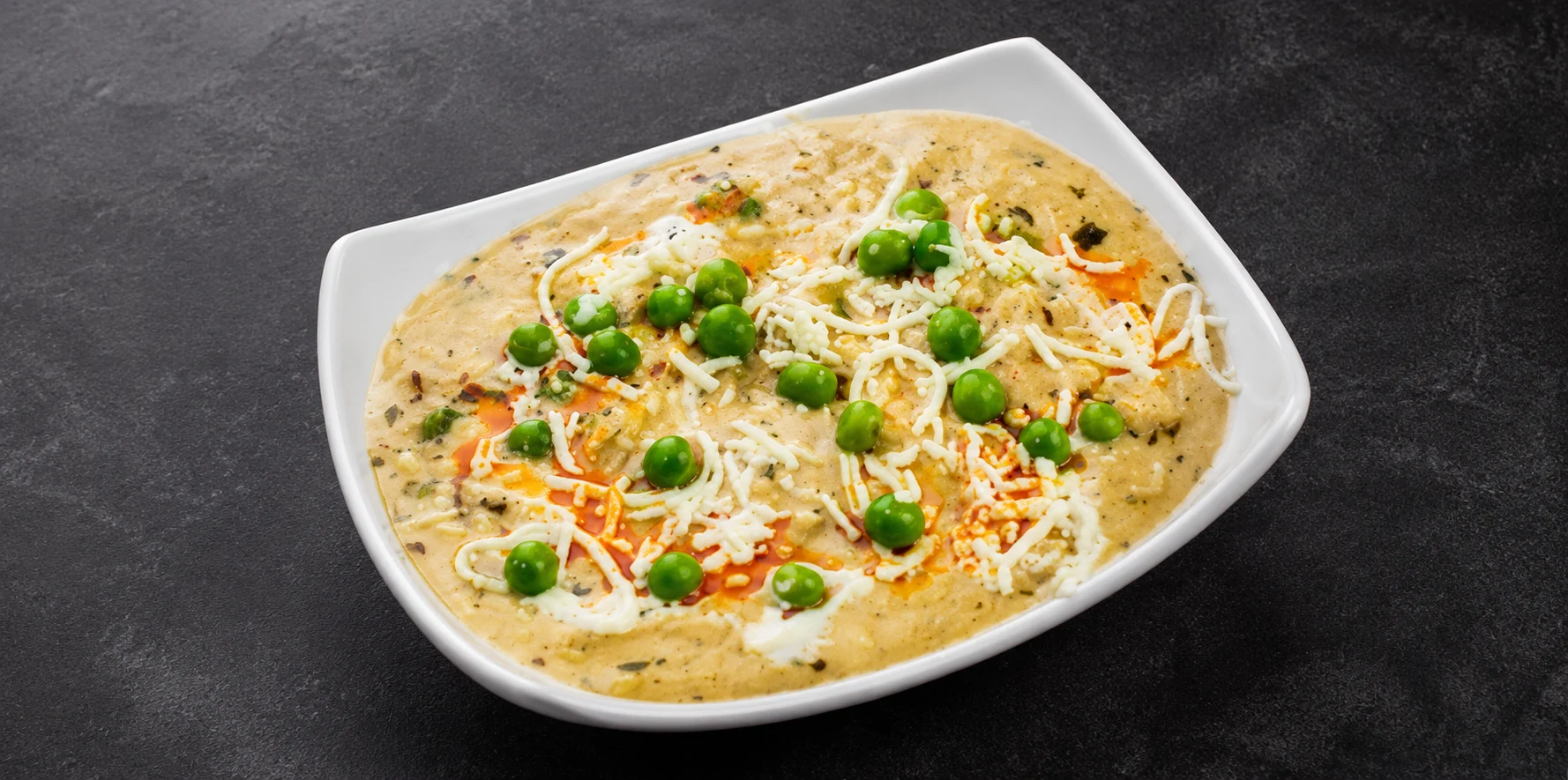
Rich North Indian curries are often associated with intense spice, but some of the cuisine’s most memorable dishes rely on restraint. Methi Malai Matar in Massachusetts appeals to diners who want a comforting vegetarian curry that is aromatic, creamy, and gently seasoned rather than fiery.
The dish brings together three contrasting elements: the pleasant bitterness of fenugreek leaves, the natural sweetness of green peas, and the smooth richness of a cream-based gravy. At A2B in Northborough, the preparation also includes shredded cottage cheese, giving the curry additional texture and substance. The result can suit experienced Indian-food diners as well as newcomers looking for an approachable introduction to North Indian cuisine.
What Are Diners Looking for in Methi Malai Matar?
People searching for Methi Malai Matar in Massachusetts are usually trying to answer a few practical questions. Is the curry genuinely vegetarian? Is it mild enough for children or first-time diners? Does the restaurant prepare it as a balanced North Indian dish, or is it simply another sweet, cream-heavy gravy?
A well-made version should retain the identity of all three main components. The fenugreek must remain noticeable without becoming harsh. The peas should add small bursts of sweetness, while the creamy sauce should connect the flavors rather than overwhelm them.
This balance makes the dish useful for mixed dining groups. It works for diners who avoid excessive heat, vegetarian families seeking a satisfying main course, and food explorers who want something beyond familiar options such as paneer butter masala.
Why Fenugreek Changes the Entire Curry
Fenugreek leaves, known as methi, provide the defining flavor of Methi Malai Matar. They contribute a herbal aroma and a controlled bitterness that prevents the cream and peas from making the curry taste overly sweet.
This is one reason methi is different from many leafy ingredients used in Western cooking. It is not added merely for color or nutrition. It functions almost like seasoning, shaping the aroma and finish of the entire dish.
Fresh and dried fenugreek also behave differently. Fresh leaves can taste grassy and mildly bitter, while dried fenugreek often called kasuri methi has a concentrated fragrance. Some restaurant preparations use one form, while others combine both to build a deeper flavor.
That contrast is the first useful insight for diners: the slight bitterness is intentional. It is what gives the curry dimension.
How Is Methi Malai Matar Different from Other Creamy Curries?
Methi Malai Matar differs from paneer butter masala and malai kofta because its central flavor comes from fenugreek rather than tomato, butter, or fried dumplings. Green peas add sweetness, while cream creates a smooth base. The finished curry is usually herbal, mildly spiced, and less tomato-forward than many familiar North Indian gravies.
Paneer butter masala commonly has a richer tomato base with buttery, slightly sweet notes. Malai kofta usually features vegetable or paneer dumplings in a smooth gravy. Methi Malai Matar relies instead on the interaction between leafy bitterness, dairy richness, and peas.
A2B’s online menu describes its version as shredded cottage cheese, fenugreek leaves, and green peas cooked with mild spices in a rich, creamy gravy. This variation adds paneer-like texture without turning the dish into a conventional paneer curry.
What Does the Dish Taste Like?
The first impression is typically creamy and gently aromatic. The sauce coats the palate, followed by the sweetness of peas and the distinctive herbal flavor of methi. Mild spices remain in the background, adding warmth without dominating the dish.
Texture plays an equally important role. The peas remain soft but distinct, while shredded cottage cheese gives the gravy a delicate, slightly grainy richness. When served hot, the curry should be thick enough to cling to naan or roti without feeling heavy or pasty.
Its appearance is often pale green, ivory, or cream-colored, with visible peas scattered throughout. Unlike deeply red tomato curries, it looks subtle and its flavor follows the same principle.
Finding Methi Malai Matar in Massachusetts
After understanding the dish, the next decision is where to try it in a form that provides useful context. A2B operates a vegetarian Indian restaurant at 10004 Shops Way in Northborough, serving both South Indian and North Indian food. Its Massachusetts menu includes Methi Malai Matar alongside a broader selection of vegetarian dishes.
Northborough also makes the restaurant accessible to diners traveling from nearby communities such as Westborough, Shrewsbury, and Marlborough. These areas have active family, professional, and Indian-origin communities, making vegetarian Indian food relevant for weekend lunches, after-work meals, festival gatherings, and group celebrations.
For someone searching for an Indian curry near me in Massachusetts, the advantage of choosing a broad vegetarian menu is that the curry can be compared with dishes from other regions of India rather than eaten in isolation.
What Should You Order with Methi Malai Matar?
Methi Malai Matar pairs best with bread or lightly seasoned rice that can absorb its creamy gravy without competing with the fenugreek. Butter naan, roti, chapati, or plain basmati rice are practical choices. For a broader meal, add a crisp appetizer, a lentil dish, and something tangy or spicy for contrast.
A useful first-time order could include:
- Methi Malai Matar: The creamy, mildly herbal centerpiece.
- Roti or naan: Ideal for scooping up the thick gravy.
- Plain rice or jeera rice: A neutral base that highlights the curry.
- Dal: Adds earthy depth and protein.
- Gobi Manchurian or a crisp starter: Provides textural contrast.
- Pickle or a tangy chutney: Cuts through the richness.
Avoid ordering several cream-based gravies together. Pairing Methi Malai Matar with another rich paneer curry may make the meal feel repetitive. One creamy curry, one lentil or vegetable preparation, bread, and rice usually creates a more balanced table.
Practical Choices for Families and Groups
Methi Malai Matar is especially useful when ordering for people with different spice preferences. Its mild profile can suit children, older family members, and diners unfamiliar with Indian heat levels.
For a family dinner, pair it with a dosa or idli selection for younger diners, a dry vegetable appetizer for sharing, and rice or breads. A2B’s menu spans South Indian and North Indian vegetarian preparations, which can help groups accommodate different tastes at one table. The restaurant also advertises dine-in, takeaway, and catering services.
For corporate lunches or community gatherings, confirm serving sizes and dietary needs in advance. Although the restaurant is vegetarian, diners with dairy allergies or those following a vegan diet should ask about cream, paneer, butter, and possible substitutions.
Frequently Asked Questions
Is Methi Malai Matar usually spicy?
Methi Malai Matar is generally considered mild compared with many Indian curries. Its main character comes from fenugreek, peas, dairy, and aromatic spices rather than chilies. Spice levels can vary between kitchens, so diners who are highly sensitive to heat should still ask the restaurant about the preparation before ordering.
Is Methi Malai Matar the same as Matar Paneer?
No. Matar Paneer typically contains paneer cubes and peas in a tomato-and-spice gravy. Methi Malai Matar uses fenugreek as a defining ingredient and usually has a creamier, paler sauce. A2B’s version contains shredded cottage cheese, but the herbal methi flavor remains what distinguishes it from standard Matar Paneer.
Is Methi Malai Matar suitable for vegan diners?
Traditional Methi Malai Matar is not vegan because it commonly contains cream, milk, butter, or paneer. A2B menu specifically describes cottage cheese and a creamy gravy, so vegan diners should not assume the standard preparation is dairy-free. Ask whether any substitutions are available before placing an order.
What is the best bread to eat with Methi Malai Matar?
Naan provides a soft, slightly rich pairing, while roti or chapati offers a lighter option. Diners who want the fenugreek flavor to remain prominent may prefer plain roti. Those seeking a more indulgent meal can choose naan, though heavily flavored breads may compete with the curry’s delicate herbal notes.
A Curry That Rewards Slower Eating
Methi Malai Matar is likely to appeal most to vegetarian diners, families with mixed spice preferences, and anyone curious about the quieter side of North Indian cooking. Its significance lies in balance: bitterness is softened rather than erased; sweetness is controlled, and cream supports the ingredients instead of hiding them.
Within Massachusetts’ expanding Indian dining landscape, dishes like this help show that vegetarian cuisine is not limited to lentils, paneer cubes, or fiery gravies. At A2B in Northborough, Methi Malai Matar offers a useful entry point into a style of North Indian cooking built around contrast, aroma, and measured richness